
NWSA is seeking its next Executive Director, a leader ready to step into one of the most consequential roles in wildland fire. Download the job announcement here.
To apply, send your cover letter & resume to: info@nwsa.us
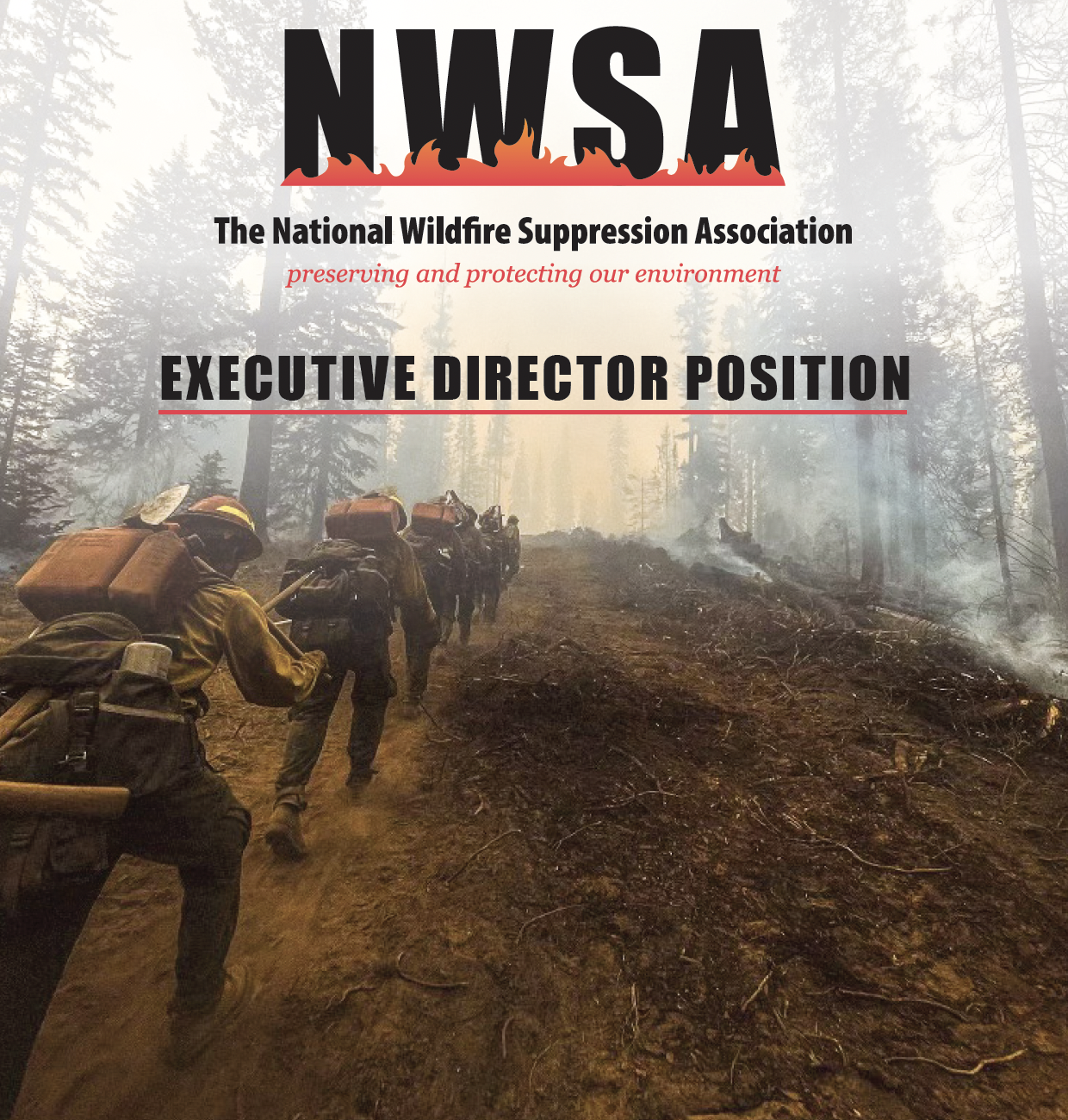
Private contractors are a critical part of America’s wildfire response, and yet this industry continues to fight for the recognition it has earned. NWSA’s 300+ member companies across 26 states show up with trained crews, specialized equipment, and NWCG-compliant standards every time, without hesitation.
The next ED will carry that work forward: building federal agency relationships, advocating at the national level, and making sure the private sector’s contribution to wildfire suppression is understood and valued. If you’re mission-driven, experienced in stakeholder engagement, and ready to lead an industry at a pivotal moment, we want to hear from you.
Related News
NWSA Infographic on Professional Private Wildland Fire Industry
Private wildland fire companies deliver the resources, expertise, and innovation that keep our nation's forests, communities, and infrastructure safe.
Read MorePrivate Wildland Fire Contractors Have Nearly 14,000 Firefighters on the Fireline as Northwest Wildfires Rage
As wildfires burn across Oregon, Washington and the broader Northwest during one of the most severe fire seasons in years, the National Wildfire Suppression Association (NWSA) is highlighting a number that often gets lost in daily fire coverage: member companies have thousands of resources and roughly 14,000 professional private-sector personnel deployed on active incidents nationwide, with more standing ready as new orders come in.
Read MoreWelcome Letter from New NWSA Board President Jess Wills
I am honored to step into the role of President of the National Wildfire Suppression Association, and I want to begin by offering my sincere thanks to Claren Nilsson for her dedicated service as President. Claren’s leadership, professionalism, and steady guidance strengthened this association during a period of significant operational and policy complexity. On behalf of the entire membership, thank you, Claren, for your time, commitment, and lasting contributions to NWSA.
Read More